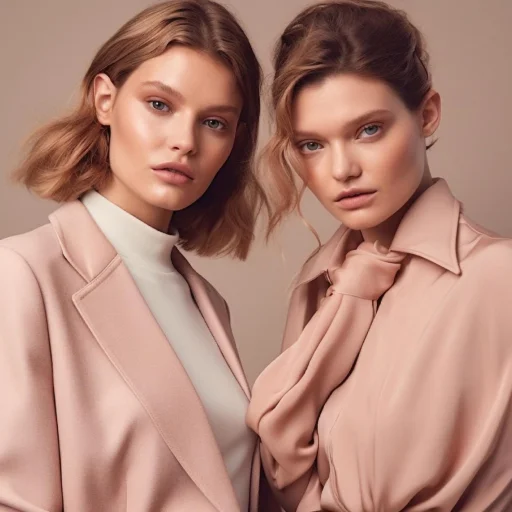

How Do Casablanca Paris Blazer Fit
The Birth of the Casablanca Label
In 2018, Franco-Moroccan designer Charaf Tajer created the Casablanca label, having previously gained recognition through the nightlife establishment Le Pompon and the streetwear label Pigalle. Rather than following a strictly streetwear-oriented direction, Tajer decided to build a luxury brand that fused the positive energy of leisure lifestyle with the elegance of Parisian luxury. Tajer chose the name Casablanca as a deliberate homage to the Moroccan city where his ancestral roots lie, a city known for warm light, intricate tilework, palm-lined boulevards and a relaxed pace of life. Starting with the inaugural collection, the label stood apart from standard streetwear by embracing rich colour, artwork and visual narrative over sombre colours and ironic imagery. The inaugural garments—silk shirts decorated with hand-painted tennis scenes—instantly signalled a different aspiration: to clothe people for the finest experiences of their lives rather than for city toughness. By 2020, the Casablanca label had already landed retail partners in Paris, London, New York and Tokyo, demonstrating that the vision resonated far beyond its creator’s personal circle.
How Charaf Tajer Moulded the Brand’s Identity
Charaf Tajer’s background is fundamental to appreciating why Casablanca looks and feels the way it does. Raised between Paris and Morocco, he absorbed two distinctly different visual cultures: the refined elegance of French couture and the vivid colour of North African art, buildings and weaving traditions. His years in club casablanca paris culture showed him how garments operates as a form of individual expression in social environments, while his time at Pigalle demonstrated to him the business mechanics of building a brand with worldwide reach. When he founded Casablanca, Tajer drew all of these inspirations together, producing pieces that feel joyful rather than provocative. He has stated openly about aiming for each collection to embody “the feeling of winning”—a state of happiness, boldness and comfort that he links to athletics, travel and friendship. This emotional coherence has provided the Casablanca brand a unified identity that buyers and press can immediately connect with, which in turn has sped up its climb through the fashion hierarchy. In 2026, Tajer remains the creative director and still oversees every major creative decision, guaranteeing that the house’s identity continues to be steady even as it develops.
Design Codes and Visual Language
Casablanca’s aesthetic is rooted in multiple complementary codes that make its pieces easy to spot. The most striking is the use of expansive, hand-illustrated prints depicting Mediterranean and Moroccan scenery, courtside scenes, racing scenes, tropical plants and architectural details. These artworks are created in saturated pastels and jewel tones—think peach, mint, cobalt, emerald and gold—and applied to silk shirts, dresses, scarves and outerwear so that each item evokes a moving postcard from an imagined holiday destination. A another element is the merging of sportswear silhouettes with luxury materials: track jackets are crafted from satin with piped seams, sweatpants are made from heavyweight fleece with elegant finishing touches, and polo shirts are knitted in high-quality cotton or cashmere blends. A further element is the presence of badges, monograms and athletic-club logos that evoke tennis and yachting without copying any real organisation. Collectively, these pillars produce a universe that is imagined yet profoundly evocative—a place where athletics, creativity and leisure blend in perpetual sunshine. In 2026, the brand has expanded these codes into denim, outerwear and leather goods while preserving the aesthetic vocabulary clearly identifiable.
The Importance of Color and Prints in Casablanca Collections
Color is possibly the most critical element in the Casablanca aesthetic arsenal. Where many premium fashion houses rely on black, grey and muted shades, Casablanca intentionally picks colours that communicate cosiness, pleasure and movement. Collection palettes regularly originate from a inspiration board of destination visuals—Moroccan riads, the French Riviera, tropical gardens—and translate those organic tones into textile samples that keep intensity after printing and dyeing. The effect is that even a basic hoodie or T-shirt can feature a shade of sky blue, sunset orange or poolside turquoise that sets it apart among competitors. Printed designs mirror a related philosophy: each collection introduces new visual stories that tell stories about destinations, athletic pursuits and dreams. Some customers gather these prints the way others collect fine art, recognising that past editions may not come back. This strategy produces both personal connection and a resale market, underpinning the perception of Casablanca as a brand whose items appreciate in cultural value over time. By mid-2026, the brand is said to derives over 60 percent of its income from printed items, emphasising how vital this component is to the operation.
Guiding Principles That Define Casablanca in 2026
Beyond aesthetics, the Casablanca label conveys a coherent set of beliefs. Joy and optimism sit at the top: campaigns and fashion shows almost never include dark themes, shock value or shock; instead they highlight sunshine, community and slow experiences of pleasure. Artisanship is another cornerstone—the label highlights the standard of its materials, the accuracy of its prints and the care taken during production, particularly for knitwear and silk. Cross-cultural exchange is a third principle: by weaving Moroccan, French and global elements into every collection, Casablanca functions as a connector between worlds rather than a guardian of elitism. Moreover, the brand supports a vision of inclusivity through its visual content, routinely featuring wide-ranging models and showcasing items in ways that work for a wide range of body shapes, ages and style preferences. These principles speak to a generation of buyers who desire their acquisitions to embody positive ideas rather than simple social standing. In 2026, as the luxury market grows more fierce, Casablanca’s focus on emotional storytelling and cultural diversity affords it a unmistakable character that is difficult for competitors to copy.
Casablanca Versus Principal Competitors
| Characteristic | Casablanca | Jacquemus | Amiri | Rhude |
|---|---|---|---|---|
| Established | 2018 | 2009 | 2014 | 2015 |
| Headquarters | Paris | Paris | Los Angeles | Los Angeles |
| Design DNA | Tennis / resort / sport | Mediterranean minimalism | Rock-meets-luxury street | LA vintage sport |
| Hero product | Silk printed shirt | Le Chiquito bag | Distressed denim | Graphic shorts |
| Price range (shirts) | $600–$1 200 | $400–$800 | $500–$1 000 | $400–$700 |
| Colour palette | Rich pastels / jewel tones | Neutrals / earth tones | Dark / muted | Vintage muted |
The Road Ahead of the Casablanca Brand
Gazing into the future in 2026, the Casablanca fashion house is expanding into new product lines while maintaining the identity that propelled its growth. Latest collections have introduced more structured tailoring, leather goods, eyewear and even scent experiments, all filtered through the brand’s signature lens of colour and wanderlust. Joint ventures with athletic brands, luxury hotels and cultural institutions expand the brand’s audience without diluting its foundational story. Store growth is also underway, with flagship retail projects in key cities supporting the existing e-commerce channel and distribution partners. Fashion analysts project that Casablanca could achieve yearly sales of around 150 million euros within the next two to three years if existing expansion rates hold, positioning it alongside well-known current luxury labels. For consumers, this direction means more choices, more availability and possibly more contest for exclusive items. The label’s challenge will be to grow without compromising the personal, celebratory spirit that drew its first fans. Green initiatives, exclusive capsule collections and greater investment in DTC channels are all part of the roadmap that Tajer has outlined in recent press features. If Charaf Tajer keeps on view each drop as a ode to his memories and ambitions, the Casablanca label is ideally situated to remain one of the most engaging stories in fashion for years to come. Interested readers can follow the brand’s most recent news on the main Casablanca site or through reporting on Business of Fashion.